CIA Analysis
Comparison
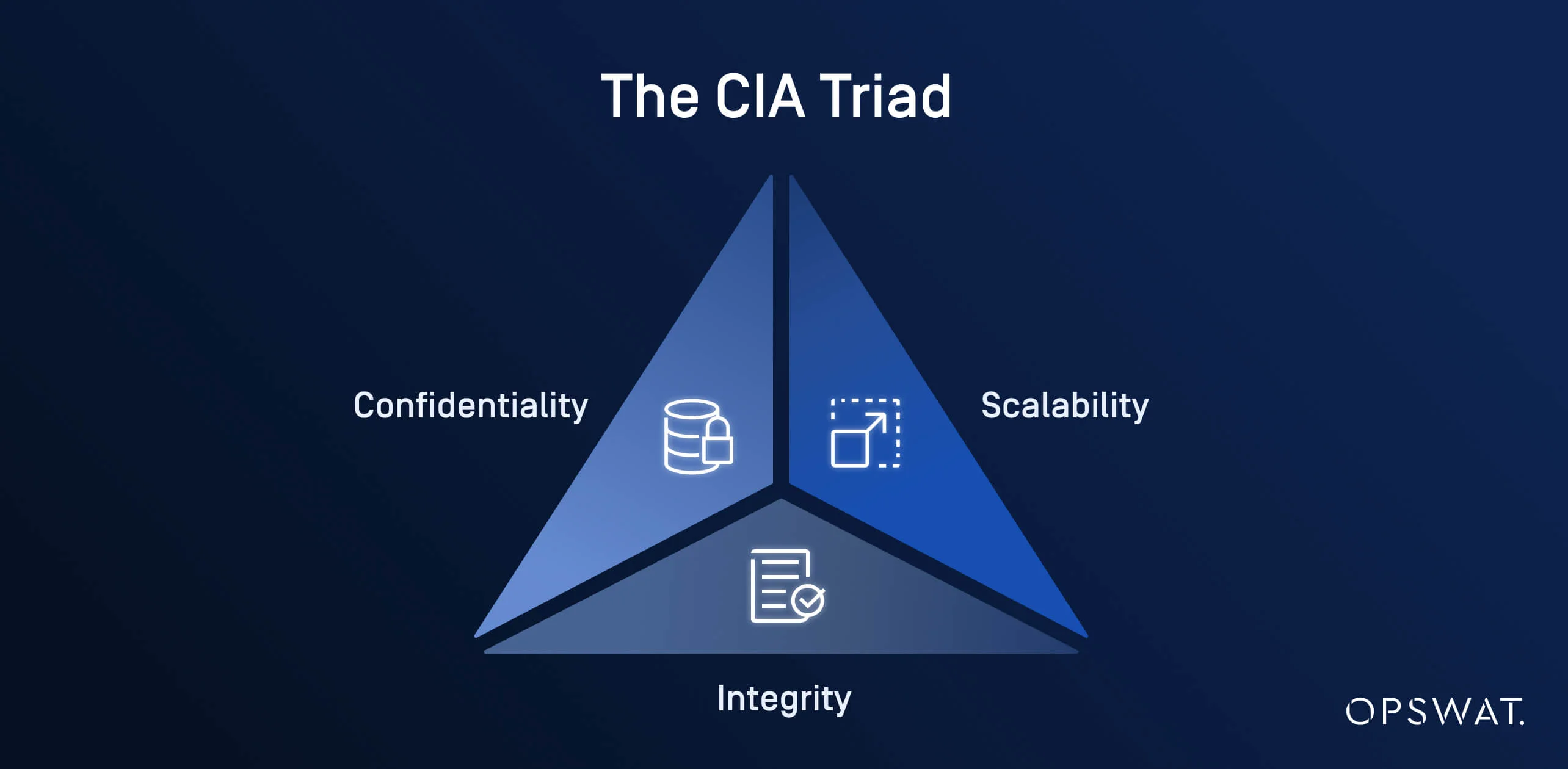
A comprehensive comparison of how each security tool implements the Confidentiality, Integrity, and Availability principles.
A comprehensive comparison of how each security tool implements the Confidentiality, Integrity, and Availability principles.
The three fundamental principles of information security
Ensuring that sensitive information is accessed only by authorized individuals through encryption, access controls, and secure protocols.
Maintaining the accuracy and completeness of data, ensuring it hasn't been altered by unauthorized parties during storage or transmission.
Guaranteeing that authorized users have reliable and timely access to information and resources when needed.
How each security tool addresses the CIA triad
| Tool | Confidentiality | Integrity | Availability |
|---|---|---|---|
|
Wondershare Recoverit
Data Recovery |
Access restricted by OS permissions | Preserves file content during recovery | Restores lost data to ensure accessibility |
|
Cyberduck
FTP Application |
Encrypted transfers via FTPS/SFTP | Ensures files remain unaltered | Reliable file transfers anytime |
|
HelpWire
Remote Access |
Encrypted sessions, approved access | Controlled operations with approval | Remote system access anytime |
In-depth look at each tool's security implementation
High risk - deleted files can be recovered by unauthorized users if drives are not properly wiped.
Supportive but fragile - Deep Scan may find corrupted files with lost metadata.
Primary function - restores access to data after deletion or system crashes.
Strong - FTPS/SFTP encryption protects credentials and file contents during transfer.
Files transfer without modification - content and size preserved.
Stable connections ensure reliable access to FTP servers.
End-to-end encryption with mandatory client approval for all access.
Only approved actions allowed - admin tasks require UAC consent.
Remote access anytime for continuous support and reduced downtime.